


Key Takeaways:
- Freer elevators utilize magnetic levitation or linear motor technology, offering smoother and more flexible transportation options compared to traditional elevators.
- They reduce mechanical complexity, lower maintenance costs, and enhance safety while minimizing wait times.
- Advanced engineering, including superconducting magnets and AI integration, optimizes performance and energy efficiency.
- Freer elevators maximize the use of architectural space, allowing designers more freedom in floor layouts and configurations.
- They improve accessibility, accommodating diverse user needs and promoting inclusive design in buildings.
- Energy-efficient by design, they consume less power and utilize regenerative braking to reduce energy costs and carbon footprint.
- They integrate seamlessly into smart building systems, responding dynamically to real-time demands and enhancing operational efficiency.
- Freer elevators improve travel speed and efficiency, providing a faster transportation experience in high-rise structures.
- Their aesthetic versatility enhances the visual appeal of buildings, allowing for innovative and creative architectural designs.
- Overall, freer elevators represent a blend of technology, design, sustainability, and improved user experience in modern architecture.
The Future of Vertical Transportation: Unleashing the Power of Freer Elevators
What Are Freer Elevators and How Do They Work?
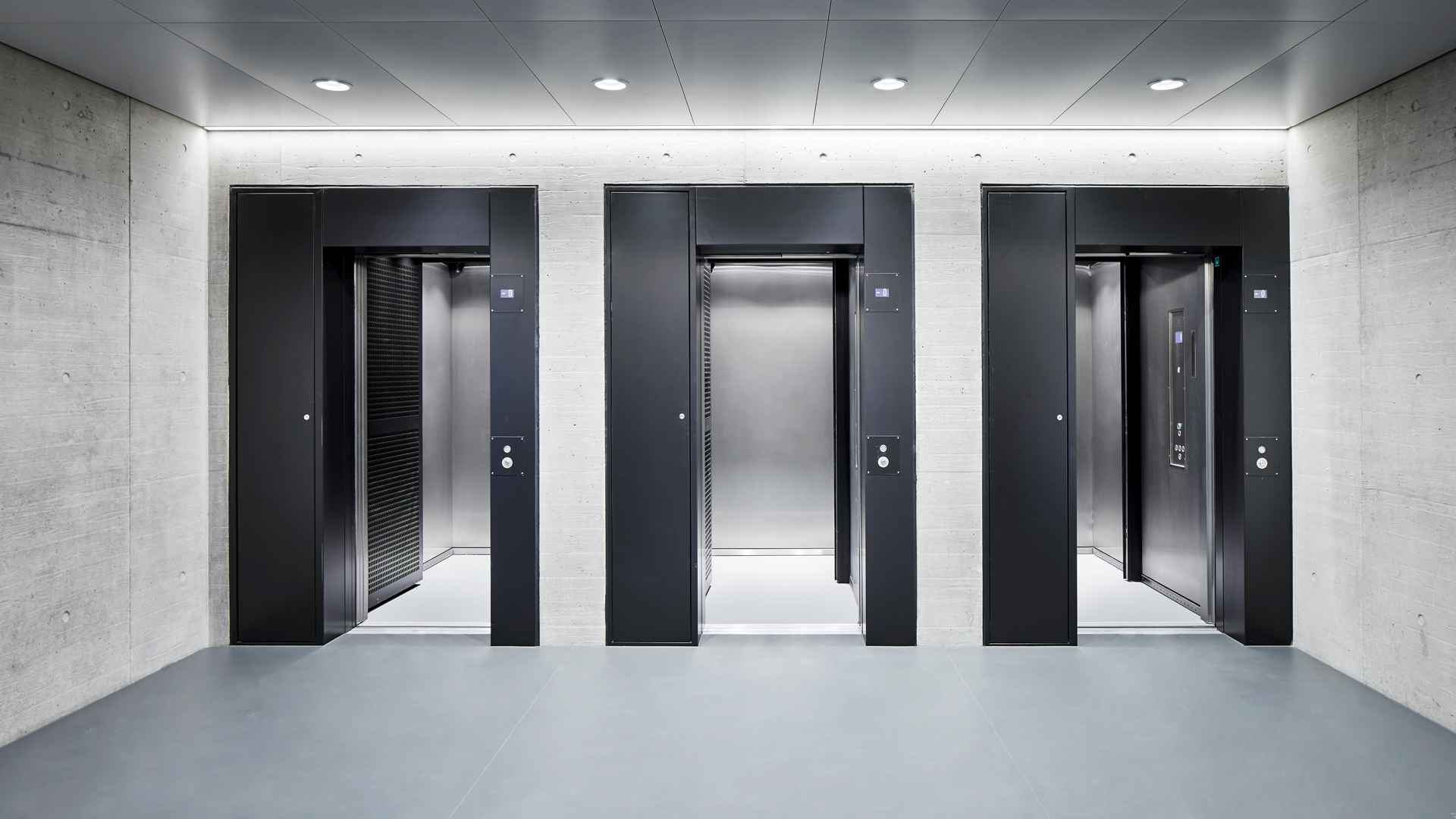
Freer elevators represent a groundbreaking advancement in vertical transportation systems, designed to meet the growing needs of modern architecture while enhancing overall user experience. Unlike traditional elevators, which typically rely on cables and pulleys for movement, freer elevators utilize a unique system that often employs magnetic levitation or linear motor technology to transport passengers between floors. This innovative approach not only allows for smoother ascents and descents but also offers greater design flexibility for builders. By eliminating the constraints posed by traditional shaft designs, freer elevators can be implemented in ways that were once unthinkable, such as diagonal movement between levels or integration into unconventional building shapes.
In practice, these elevators work by using powerful magnets to propel the elevator car along a lightweight, frictionless track. This system provides numerous advantages, including the ability to accelerate and decelerate rapidly, decrease wait times, and enhance the overall safety of the elevator ride. The reduced mechanical complexity also lowers maintenance costs, making freer elevators not only a smart technological choice but also an economically sound one. As urban spaces evolve to include more complex structures, the need for efficient vertical transportation becomes critical, positioning freer elevators as a vital solution for future developments.
The Technology Behind Freer Elevators: An Engineering Marvel
The engineering behind freer elevators is a testament to human ingenuity and the pursuit of efficiency. At the heart of this technology lies the combination of magnetism and advanced control systems, which allows for seamless and responsive movements. For instance, the implementation of superconducting magnets enables elevators to achieve remarkable levitation capabilities, reducing wear and tear associated with friction-based systems. Moreover, these systems often incorporate advanced sensors and algorithms that monitor real-time usage, ensuring optimal performance and energy conservation.
One particularly fascinating aspect of freer elevator technology is the development of ‘smart elevators.’ These systems utilize artificial intelligence to predict peak usage times, dynamically adjusting their service patterns accordingly. Such advancements not only improve the efficiency of elevator operations but also enhance passenger satisfaction by minimizing wait times. In a world where the intensity of urban living requires rapid and reliable transport solutions, the engineering marvel that is the freer elevator embodies the promise of high technology meeting everyday necessity.
Why Freer Elevators Are a Game Changer for Urban Architecture
Maximizing Space: The Design Benefits of Freer Elevators
In the realm of urban architecture, where space is often at a premium, the design benefits of freer elevators cannot be overstated. Traditional elevators require substantial shaft space for motor systems, pulleys, and counterweights, which can severely constrain floor layouts. Freer elevators, with their minimal mechanical infrastructure, liberate designers from these confines, allowing for creative spatial configurations that maximize usable square footage. With the ability to integrate elevators into walls, corners, or even transparent tubes that flow through the building’s façade, architects can create visually stunning designs that reflect contemporary aesthetics while providing functional utility.
Furthermore, the versatility of freer elevators extends to their capacity for handling varying passenger loads and serving multiple floors simultaneously, which is a significant plus in large buildings with complex layouts. By providing more direct routes between popular destinations within a building, such as offices, restaurants, and lounges, freer elevators enhance user experience, encouraging social interaction and collaboration in environments like mixed-use developments. This seamless blend of functionality and design represents a significant shift in how we conceptualize vertical movement in architectural spaces.
Improving Accessibility: A Step Towards Inclusive Design
Accessibility is a crucial aspect of modern architecture, and freer elevators contribute significantly to making buildings more inclusive for everyone. By offering flexible designs that can be customized to accommodate various user needs, these elevators enhance the overall accessibility of public and private spaces. Traditional elevators often come with physical limitations, making it difficult for individuals with mobility challenges or disabilities to navigate through buildings effectively. In contrast, the innovative design of freer elevators allows for the installation of multiple entry and exit points, making it easier for various demographic groups, including the elderly and families with strollers, to access different floors without unnecessary hassle.
Moreover, freely positioned elevator systems can be strategically placed in areas that promote ease of access. For example, integrating elevators into building plazas or outside pathways can provide instant access to upper levels without requiring users to navigate through congested indoor spaces. This not only fosters a sense of autonomy among individuals with disabilities but also enhances the building’s usability as a whole. In an age where inclusivity is paramount, the role of freer elevators in promoting equitable access to spaces cannot be understated.
Energy Efficiency and Sustainability in Modern Buildings
How Freer Elevators Reduce Energy Consumption
Energy efficiency is a pressing concern for contemporary building designs, and freer elevators emerge as a sustainable solution to bolster energy conservation efforts. The mechanics of these elevators allow for considerably lower energy consumption compared to their traditional counterparts. By employing magnetic levitation technology, for instance, freer elevators reduce friction related to mechanical components, resulting in significant energy savings during operation. Moreover, the lightweight nature of the elevator car translates into less energy expenditure during movement, especially in high-rise constructions where vertical travel distances can be substantial.
Furthermore, many modern freer elevators are designed with a regenerative braking system, which effectively recovers kinetic energy during descents and redirects it back into the building’s power grid. This feature not only enhances operational efficiency but also contributes to the building’s overall energy profile, reducing reliance on external energy sources. As global temperatures rise and the call for sustainable practices intensifies, the role of energy-efficient technologies like freer elevators becomes increasingly crucial in decreasing the carbon footprint of urban infrastructure.
The Role of Freer Elevators in Smart Building Initiatives
Smart buildings—characterized by integrated technologies that optimize operations and improve occupant experience—are becoming ever more prevalent in urban design. Freer elevators play a pivotal role in this trend, seamlessly integrating with smart building systems to enhance overall performance and operational efficiency. By utilizing advanced technologies, freer elevators can connect with occupancy sensors, weather controls, and energy management systems. This allows these elevators to respond dynamically to real-time demands, optimizing their functionality and reducing energy waste.
In addition, the data generated by freer elevators can contribute to a building’s overall analytics framework. By monitoring usage patterns and traffic flow, building managers can make informed decisions that improve operational efficiency, enhance user convenience, and subsequently reduce infrastructure wear. The intersection of greener technology and smart systems represents a significant leap forward in how we manage and interact with urban spaces, with freer elevators leading the charge towards a future where intelligent design and sustainability coexist harmoniously.
Transforming User Experience: The Comfort of Freer Elevators
Enhancing Travel Speed and Efficiency for Building Occupants
Travel speed and efficiency are crucial components of user experience in any building, and freer elevators excel in enhancing both. The rapid transit capabilities of these systems, facilitated by their innovative engineering and technology, allow passengers to move seamlessly between floors without the frustrations commonly associated with traditional elevators, such as long wait times. Their capacity to efficiently transport large groups of people simultaneously further enhances their appeal, as building occupants can arrive at their destinations faster, increasing overall productivity.
Additionally, as the demand for taller skyscrapers escalates, the need for highly efficient vertical transportation becomes paramount. Freer elevators are designed to serve high-rise structures more effectively, minimizing pick-up and drop-off times. Surveys and studies have suggested that the psychological impact of time saved during vertical travel can significantly improve occupant satisfaction, fostering a positive perception of the building environment. Ultimately, the ability of freer elevators to deliver a smooth, fast, and efficient travel experience contributes to redefining urban living, making it more appealing for residents and visitors alike.
The Aesthetic Appeal: How Freer Elevators Elevate Building Design
Beyond their functional advantages, freer elevators contribute significantly to the aesthetic appeal of modern architecture. Their sleek, customizable designs can enhance the visual landscape of buildings, allowing architects to get creative and push boundaries in ways that conventional elevators cannot. For instance, the ability to create panoramic glass elevators that provide breathtaking views of the surrounding landscape adds an element of luxury and sophistication to residential and commercial structures. This aesthetic component not only elevates the design of buildings but also creates memorable experiences for users, reinforcing positive associations with the space.
Moreover, the integration of free elevators into the building’s facade or interior can create focal points that transform the entire environment, allowing for the creation of visually striking atriums or communal spaces. These design elements, which emphasize openness and connection, foster a sense of community and collaboration among occupants, which is increasingly important in bustling urban settings. The aesthetic integration of freer elevators thus goes hand in hand with their functional advantages, elevating both the form and function of modern buildings.
Overall, the virtues of freer elevators in modern architecture are numerous and compelling. From their innovative technology and design flexibility to their commitment to sustainability and enhanced user experience, they epitomize the intersection of utility and creativity, reshaping our urban skylines for the better. As we look to the future, it’s clear that freer elevators will play an integral role in developing the cities of tomorrow.

