


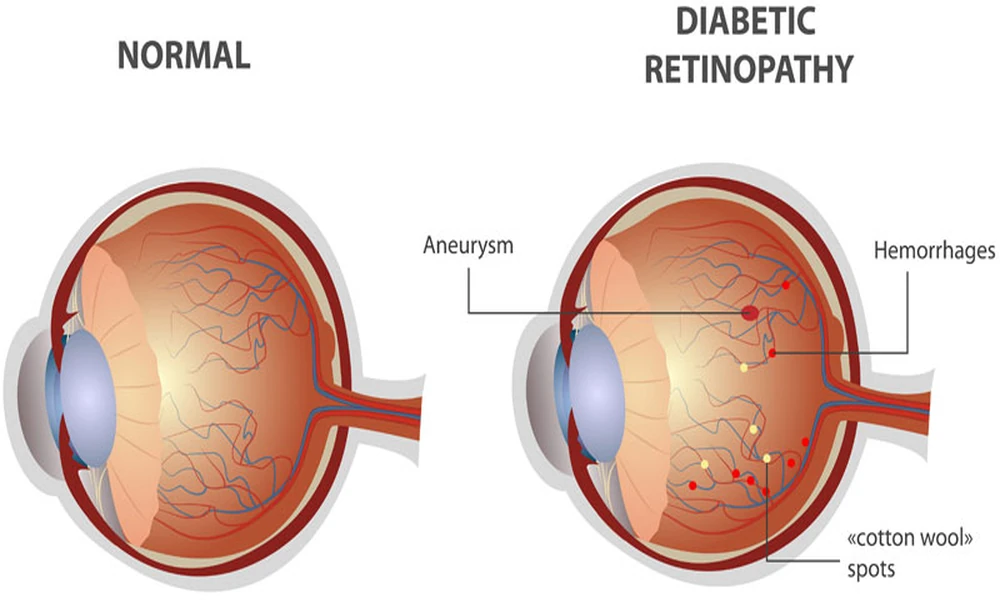
Diabetes may affect many parts of the body, including the eyes. One of the most serious eye complications linked to diabetes is diabetic retinopathy, a condition that damages the blood vessels in the retina. Over time, these damaged blood vessels may leak fluid, bleed, or cause swelling that affects vision.
Many people living with diabetes are unaware that diabetic eye disease can progress silently for years before symptoms become noticeable. If left untreated, severe retinal damage may eventually lead to permanent vision loss or blindness.
Understanding how the condition develops and why early treatment matters may help patients better protect their long-term eye health.
What Is Diabetic Retinopathy?
The retina is the light-sensitive tissue at the back of the eye responsible for sending visual signals to the brain.
Diabetes-related retinal damage develops when high blood sugar levels damage the small blood vessels supplying the retina. As these blood vessels weaken, they may leak fluid or blood into the eye.
In more advanced stages, the retina may grow abnormal new blood vessels that are fragile and prone to bleeding. Scar tissue may also form, increasing the risk of retinal detachment and severe vision loss.
Because symptoms may develop gradually, many people do not realize they have retinal damage until the condition becomes advanced.
Can It Really Cause Permanent Blindness?
Yes, diabetic retinopathy may lead to permanent blindness if not properly managed.
Severe retinal damage may permanently affect the eye’s ability to process visual information. Complications such as retinal detachment, glaucoma, or repeated bleeding inside the eye may result in irreversible vision loss.
However, blindness is not inevitable. Early diagnosis, proper diabetes control, and timely treatment may significantly reduce the risk of severe complications.
Early Stages May Have No Symptoms
One of the biggest dangers of diabetic retinopathy is that it often progresses silently.
In the early stages, patients may still see clearly and feel no discomfort. Meanwhile, retinal damage may continue developing slowly in the background.
Because symptoms are often absent initially, regular eye examinations are extremely important for anyone living with diabetes.
Common Symptoms of Advanced Disease
As diabetic retinopathy worsens, patients may begin experiencing noticeable vision problems. Symptoms may include:
- Blurred or fluctuating vision
- Floaters or dark spots
- Distorted vision
- Difficulty seeing at night
- Dark or empty areas in vision
- Sudden vision loss
Any sudden change in vision should be evaluated by an eye specialist immediately.
Why Blood Sugar Control Matters
Long-term blood sugar management plays one of the biggest roles in preventing retinal damage.
Persistently high glucose levels may continue weakening retinal blood vessels over time. Poor diabetes control increases the risk of bleeding, retinal swelling, and abnormal blood vessel growth.
Managing diabetes carefully may slow the progression of diabetic retinopathy and reduce the risk of permanent vision problems.
Other Risk Factors That Increase Complications
Several additional factors may worsen diabetic eye disease. These include:
- High blood pressure
- High cholesterol
- Smoking
- Long duration of diabetes
- Pregnancy in diabetic patients
- Kidney disease
Patients with multiple risk factors may require closer retinal monitoring and more frequent eye examinations.
How Doctors Diagnose Diabetic Retinopathy
Eye specialists use several tests to evaluate retinal health.
Dilated eye examinations allow doctors to inspect retinal blood vessels directly. Retinal photography and optical coherence tomography (OCT) help detect swelling, bleeding, or abnormal blood vessel growth.
Fluorescein angiography may also be used to identify leaking blood vessels within the retina.
These imaging techniques allow earlier detection before severe vision loss occurs.
Treatment May Help Prevent Blindness
Fortunately, several treatment options may help slow disease progression and preserve vision. Common diabetic retinopathy treatments include:
- Anti-VEGF Injections: These medications help reduce abnormal blood vessel growth and retinal swelling.
- Laser Therapy: Laser treatment may help seal leaking blood vessels and reduce the growth of fragile new vessels.
- Vitrectomy Surgery: In advanced cases involving severe bleeding or retinal detachment, surgery may be needed to remove blood and scar tissue from inside the eye.
Early treatment often improves the chances of preserving useful vision.
Why Routine Eye Screening Is So Important
Some patients only seek medical attention after vision becomes severely affected.
Unfortunately, by that stage, some retinal damage may already be permanent. Routine retinal screening allows doctors to identify changes early and begin treatment before complications worsen.
Many individuals with diabetes feel completely fine even while retinal damage progresses silently.
Conclusion
Diabetic retinopathy can cause permanent blindness if left untreated, but early detection and proper management may significantly reduce that risk. Because retinal damage often develops silently, regular eye examinations remain essential for individuals living with diabetes. Maintaining good blood sugar control, attending routine retinal screenings, and seeking prompt treatment when necessary may help preserve long-term vision and improve quality of life.

