


Whether you’re an athlete, love to go for an evening walk, your ankles have a much larger role to play in your everyday mobility than you perhaps realize. Your ankle carries the entire body weight and helps you stay stable.
The joint can be overworked if it is placed in the wrong position or if you are walking on an uneven surface and putting stress on the joint continuously.
This is one of the reasons why many users take help of ankle supports to improve their stability, reduce pain and prevent injuries. But exactly how ankle support makes all of this happen?
In this blog, we will explore how ankle support provides better stability and why it can be a valuable addition to your daily routine life
Understanding the Importance of Ankle Stability
A human joint ankle is formed by bones, ligaments, tendons and muscles. It is a surprisingly complex structure, giving your foot the ability to pivot in various directions and it enables you to support your body weight while you’re standing or moving to run, jump and walk.
Ankle stability is how well your joint can remain in position and provide its own balance during any movement. Any kind of previous injury related to ankle muscle weakness, fatigue or walking on uneven terrain may compromise this balance. It is in this situation that an ankle brace might add some extra protection.
How Ankle Support Works
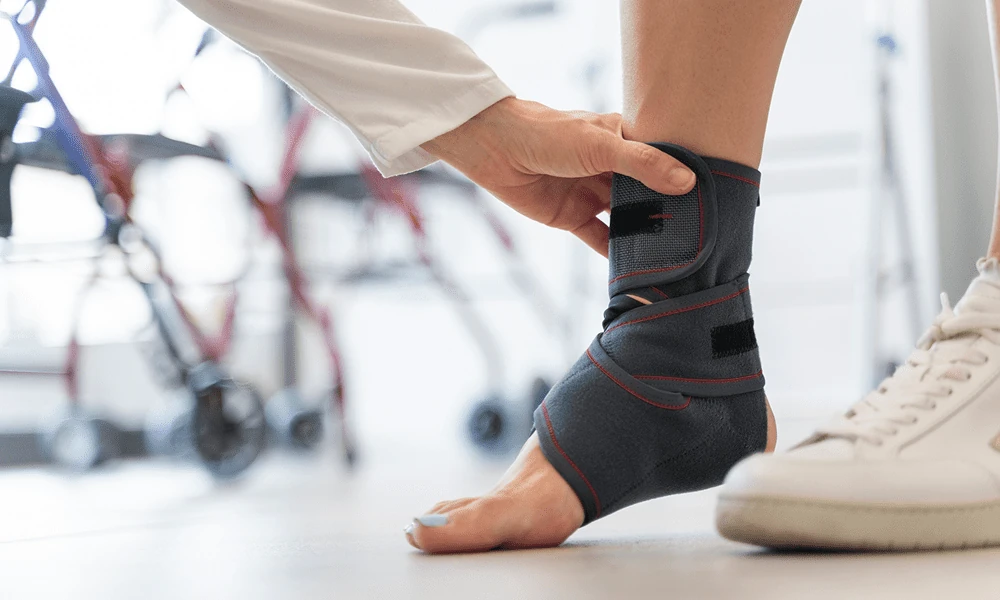
Ankle supports deliver gentle compression and external support across the joint. They don’t inhibit your entire range of motion, but rather encourage safe ankle movement, by controlling excessive sideways motions that could easily result in injury. Depending on the type and level of support that your ankle needs, ankle braces may include:
- Mild compression for everyday comfort
- Moderate stabilization for physical activity
- Firm support during injury recovery
- Extra reinforcement for individuals with chronic ankle weakness
It aims to improve confidence in movements while helping the ankle function more efficiently.
Reduce the Risk of Ankle Sprains with an Ankle Brace
The ankle sprain takes place when the foot suddenly rolls inward or twists outwardly. Overstretching or tearing is one of the ligaments that actually support your ankle. It happens most commonly in those with a history of a previous ankle sprain as those ligaments were stretched previously.
Ankle support can help reduce the extreme stress that causes such injuries. While ankle support can not completely prevent accidents, it can lower the risk of the ankle twisting beyond its normal range of motion while performing physical tasks. This extra security is literally helpful in these situations:
- Running
- Hiking
- Court sports
- Gym workouts
- Dancing
- Boosts Confidence
Some users do not return to their workout routine just because of the fear of re-injury. Even once the ankle has already recovered, there may be a fear which impacts their movement performance.
Supports Recovery After Minor Injuries
When your are healing from a mild ankle sprain or strain, your physical therapist might have recommended you to use a temporary ankle support to:
- Lessens unnecessary movement
- Provides gentle compression
- Reduces swelling
- Promotes comfort during walking
- Encourages safe mobility
Ankle supports should complement, rather than substitute, effective rehabilitation exercises, however, strengthening the muscles around the ankle is still required.
Improved Performance in Sports
There are sports that involve rapid changes of direction, jumping, sprinting and sudden stops. It generally occurs in high impact sports which place significant stress on the ankle joint. Athletes often rely on stable ankles:
- Change direction quickly
- Land safely after jumps
- Maintain speed
- Improve overall coordination
The external support of the ankle brace will keep things more secure, so athletes don’t have to spend their days compensating and thinking about stability.
The use of ankle support sleeves results best when you combine it with a proper warm-up, training in stretching, strengthening and appropriate footwear.
Individuals Dealing with Chronic Ankle Instability
Users who are actually suffering from repetitive ankle injuries or a feeling of ankle weakness. This condition is often referred to as chronic ankle instability. Here are some symptoms:
- Ankle rolling
- Weakness
- Poor balance
- Difficulty walking on uneven surfaces
In these situations, support can enhance their ability to carry on with their daily lives by providing that external stability that your rehabilitative exercises cannot provide alone. Most people find they are able to keep active and participate in their everyday lives with a great level of confidence when using ankle support.
Choosing the Right Level of Support
Not every user requires the same level of ankle support. The right option depends on: level of activity; history; and level of comfort. In general:
- Light support is suitable for daily wear and minor discomfort.
- Moderate support is ideal when working out or playing sports.
- For recovery from minor injuries or in cases of recurrent instability, robust support is often used under professional supervision.
Finding the perfect fit is another crucial aspect of getting the most out of a brace. While a brace that is too loose offers very little support, an excessively tight brace could hinder circulation.
Remember: Support Isn’t a Substitute for Strength
Even with the numerous advantages, ankle support is no substitute for strong muscles and healthy movement. The long-term health of the ankle depends on these factors:
- Regular strengthening exercises
- Balance training
- Using comfortable and supportive footwear
- Gradually increasing activity levels
- Allowing proper recovery after injuries
Final Thoughts
Your ankles help maintain your mobility, balance and confidence during all the important parts of your life. Weak or unstable ankles make you doubt every step.
With the help of ankle support you can help increase your stability and also with: gentle compression, limit overactive movement, and additional confidence with every activity or simply walking.
The right ankle support can help minimize pain or injury from minor ankle strains or sprains, provide comfort while standing for extended periods, or boost confidence when you want to stay active and comfortable in daily tasks or sports.

